



New Delhi:
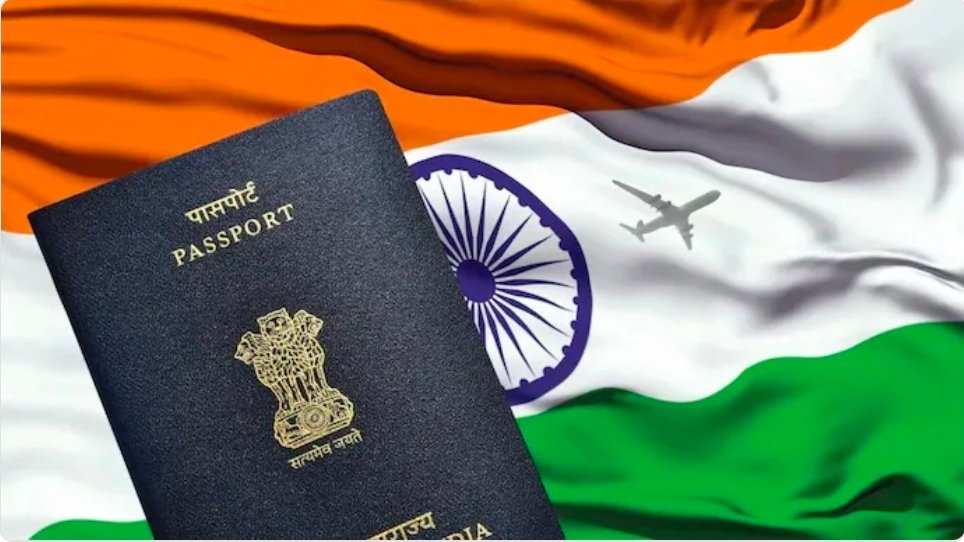
Amid growing public confusion over the use of passports as proof of citizenship and eligibility for government benefits, the Ministry of External Affairs (MEA) has clarified that an Indian passport is strictly a travel document and should not be treated as conclusive proof of citizenship.
The clarification came during a detailed briefing on India’s rapidly expanding passport and mobility ecosystem, which highlighted major reforms aimed at making passports more accessible, secure and globally accepted while facilitating overseas employment and international travel for millions of Indians.
Officials noted that the passport network now covers nearly every parliamentary constituency, with only around 30 districts yet to receive a dedicated centre. Special mobile passport teams have also been deployed to remote and difficult-to-access regions, while dedicated outreach camps conducted last year helped issue passports to nearly 300,000 people in underserved areas.
Despite these gains, passport penetration remains relatively low. Only about 10 per cent of India’s population currently possesses a passport. The government said expanding access to travel documents remains a priority as international mobility becomes increasingly important for education, employment and business opportunities.
The MEA also highlighted India’s growing global mobility partnerships. The country has signed 27 mobility agreements with 25 nations, including major destinations such as the European Union, the United Kingdom, Australia and several Gulf countries. These arrangements are designed to facilitate smoother movement for students, apprentices, researchers, professionals and business travellers.
Visa access for Indian passport holders has improved steadily, with 27 countries currently offering visa-free entry. An additional 47 countries provide visas on arrival, while 66 nations extend e-visa facilities to Indian travellers.
On overseas employment, officials said the upgraded eMigrate 2.0 platform has significantly improved the emigration clearance process. Since its launch in October 2022, nearly 700,000 Indian workers have obtained emigration clearance through the portal. Randomised processing systems introduced in 17 passport offices have further enhanced transparency and reduced delays.
The government is also focusing on worker welfare. Pre-departure orientation programmes now provide country-specific cultural training and job-related skills to workers heading overseas.
Next week, India will host a major Human Resource Mobility Forum involving Germany, Italy, Japan, Russia and Denmark to connect skilled Indian workers with ethical employers abroad.
Additional support mechanisms have been established for vulnerable overseas Indians. One-stop support centres for distressed Indian women, offering legal assistance and psychological counselling, are now operational in Gulf countries and Singapore. These initiatives are backed by the Indian Community Welfare Fund.
Officials said the government’s broader objective is to transform the passport from a privilege held by a small section of the population into an accessible travel document for millions more Indians, while ensuring that international migration remains safe, orderly and beneficial for both workers and destination countries.
